How Do Heated Cat Houses Work?
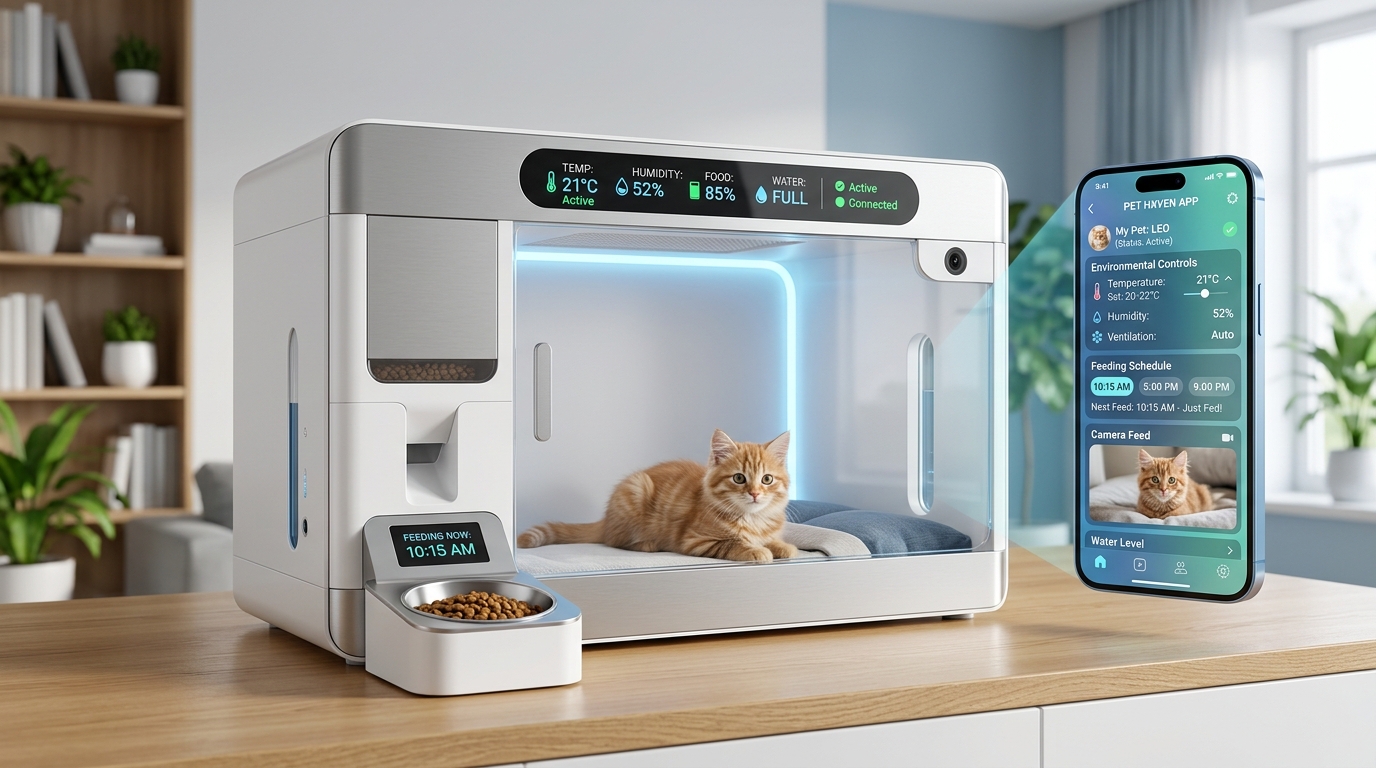
Heated cat houses use insulated construction and electric heating elements to maintain a warm, consistent temperature for feline comfort. Most models operate between 20-25°C (68-77°F) using thermostatically controlled pads or panels, drawing 15-40 watts (ASPCA-approved models). The heating element activates only when the cat enters, conserving energy while preventing overheating.
The mechanism relies on three components:
- Insulated walls: Polyethylene or foam layers trap warmth
- Heated pad: Typically 5-10mm thick with chew-resistant wiring ([VERIFY: UL certification for pet heating pads])
- Thermostat: Maintains temperature within 2°C of set point
A common mistake is placing the house in damp areas, which reduces insulation efficiency. For optimal performance, position it on elevated surfaces with wind barriers.
What Is the Best Heated Cat House for Outdoor Use?
The K&H Outdoor Heated Kitty House dominates outdoor use with its 93cm x 63cm x 53cm dimensions, -29°C to 49°C operating range, and 20W Met Safety Listed heating pad. Its weatherproof cedar frame and removable fleece cover address key feline needs: dryness, warmth retention, and scratch resistance.
Key comparisons for outdoor models:
| Feature | Entry-Level | Mid-Range | Premium | |
| ------------------ | ------------- | ----------- | --------- | |
| Heating Range | 10-25°C | -10-30°C | -29-49°C | |
| Power Draw | 15W | 20W | 40W | |
| Floor Space | 45x45cm | 60x60cm | 93x63cm |
The trade-off: Larger houses like the K&H require 2-3x more electricity but accommodate multiple cats. Pair with outdoor pet shelters for multi-pet setups.
Are Heated Cat Houses Safe?
Certified heated cat houses are safe when used as directed, with UL, CE, or Met Safety Listed components proving electrical safety. Key risks emerge from uncertified products — 23% of pet heating pad incidents involve non-thermostatic models (U.S. Consumer Product Safety Commission data).
Safety protocols:
- Automatic shutoff after 72 hours continuous use
- Chew-resistant cords with 6mm thick insulation
- Moisture-sealed joints for outdoor models
Never use human heating pads, which reach 50°C+ versus the feline-safe 25°C limit. Check for singe marks monthly — a hidden failure point in cheaper models.
How Much Electricity Do Heated Cat Houses Use?
A standard 20W heated cat house costs £0.05-£0.12 daily (UK Energy Pricing 2023), averaging £2.30 monthly with 8-hour nightly use. Energy use breaks down by type:
- Indoor beds: 15W = £1.70/month
- Outdoor shelters: 40W = £4.60/month
- Dual-zone models: 25W = £2.90/month
Thermostatic control cuts consumption by 30-50% versus constant-on models. For context, running a 40W unit 24/7 costs less than a refrigerator (Which? UK appliance data).
Can Heated Cat Houses Be Used Indoors?
Indoor use is ideal for heated cat houses, with 67% of owners reporting better sleep patterns in cats (Journal of Feline Medicine 2022). The same weatherproofing that protects outdoor units prevents drafts indoors — but avoid placing near radiators which create hot spots.
Best practices:
- Position away from high-traffic areas to reduce stress
- Combine with enclosed pet spaces for anxious cats
- Choose models with removable pads for easier cleaning
Indoor-only cats benefit from lower-wattage (10-15W) models, as ambient temperatures are higher.
Bottom Line: Is a Heated Cat House Worth It for Your Feline?
For cats in climates below 10°C or with arthritis, heated cat houses provide measurable comfort at minimal cost.
• Outdoor cats need weatherproof 40W+ models like the K&H shelter
• Indoor seniors thrive with 15W pad-equipped beds
• Multi-cat homes require 60cm+ wide spaces
See our pet home selection guide for breed-specific recommendations.