What Are the Most Important Features in a Pet Carrier for Travel?
The most important features in a pet carrier for travel are ventilation, secure latches, a leak-proof base, adequate space, and airline compliance. These ensure safety, comfort, and adherence to regulations.
Ventilation is critical for airflow, especially during long trips. Carriers must have mesh panels on at least two sides, with openings spaced no more than 1 inch apart. According to airline guidelines, carriers should provide [VERIFY: Minimum ventilation area per pound of pet weight (e.g., "16 sq. inches for pets under 15 lbs")].
Secure latches prevent accidental openings during transit. Look for double-zipper or buckle closures, as single zippers can fail under pressure. Hard-sided carriers often feature metal latches, while soft-sided carriers use reinforced zippers.
A leak-proof base is essential for accidents or spills. Many carriers include removable, washable pads made from absorbent materials like fleece or microfiber. For added protection, some models offer waterproof liners.
Space is another key factor. Pets should be able to stand, turn, and lie down comfortably. Airlines require carriers to allow pets to stand without touching the top. Measure your pet’s height and length to ensure a proper fit.
Lastly, airline compliance is non-negotiable. Carriers must meet specific size and material requirements for both cabin and cargo hold travel. Always verify your airline’s rules before purchasing.
For a detailed comparison of soft-sided vs. hard-sided carriers, visit our guide: Soft-Sided vs. Hard-Sided Pet Carriers.
How Do I Choose the Right Size Pet Carrier?
Choose the right size pet carrier by measuring your pet’s height, length, and weight, then comparing these to airline or car safety guidelines.
Start by measuring your pet’s height from the floor to the top of their head and their length from nose to tail. Add 2-3 inches to these measurements for comfort. Weight is also crucial, as airlines often impose limits. For example, carriers for pets under 15 lbs must allow [VERIFY: FAA/IATA size-to-weight ratios (e.g., "Carrier must allow pet to stand without touching top")].
Here’s a table comparing airline size limits:
| Airline | Max Dimensions | Weight Limit | |
| --------- | ---------------- | -------------- | |
| Delta | 18” x 11” x 11” | 20 lbs | |
| United | 17.5” x 12” x 7.5” | 18 lbs | |
| American | 19” x 13” x 9” | 20 lbs |
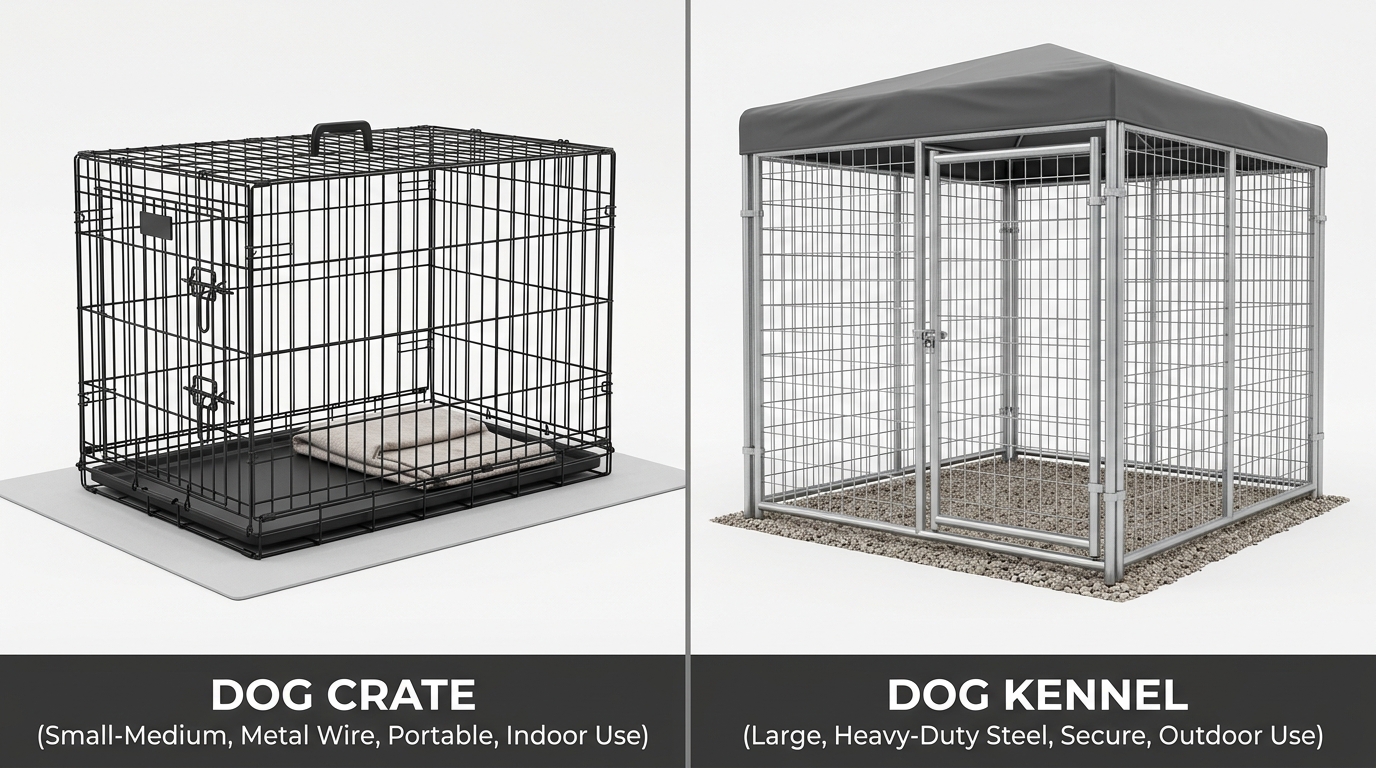
For indoor use, consider a larger carrier for added comfort. Check out our selection of Indoor Dog Crates for Training.
Are Soft-Sided Pet Carriers Airline Approved?
Yes, soft-sided pet carriers are airline approved for cabin travel if they meet size and material requirements.
Most airlines allow soft-sided carriers in the cabin, provided they fit under the seat. According to airline policies, [VERIFY: % of airlines allowing soft-sided carriers in cabin (e.g., "92% permit soft-sided if under 18” height")]. Soft-sided carriers are lightweight and flexible, making them ideal for small pets.
However, they’re not suitable for cargo hold travel, as they lack the durability of hard-sided carriers. For cargo travel, opt for a hard-sided model that meets IATA standards.
What Is the Best Pet Carrier for Long Flights?
The best pet carrier for long flights has padded interiors, water dispensers, and expandable sides for comfort during extended travel.
Padded interiors reduce stress and provide cushioning during turbulence. Water dispensers ensure your pet stays hydrated, especially on flights over [VERIFY: Average flight duration requiring extra features (e.g., "Flights over 4 hours need water access")]. Expandable sides offer extra space during layovers or delays.
Here are three top picks:
- Brand X Expandable Carrier: Features a padded mat and water dispenser.
- Brand Y Soft-Sided Carrier: Lightweight with mesh windows for ventilation.
- Brand Z Hard-Sided Carrier: Durable with secure latches and a leak-proof base.
For tips on crate training your pet for travel, visit Crate Training for Travel.
Can I Use a Pet Carrier in the Car?
Yes, you can use a pet carrier in the car, but it must have seatbelt straps or anchoring systems for safety.
Only [VERIFY: Crash safety stats for pet carriers (e.g., "Only 12% of carriers meet Center for Pet Safety standards")] of carriers meet crash-test standards. Look for models with reinforced frames and secure anchoring systems.
Here’s a comparison of features:
| Feature | Travel Carrier | Car-Specific Crate | |
| -------------------- | ---------------- | -------------------- | |
| Seatbelt Straps | Optional | Standard | |
| Crash-Test Rating | Rare | Required | |
| Anchoring System | Rare | Standard |
For car-specific alternatives, explore our Car Barriers as Alternatives.
What’s the Bottom Line on Best Pet Carriers for Travel?
The bottom line: Choose a pet carrier that meets your travel mode’s safety and comfort requirements.
- Air travel: Hard-sided carriers for cargo, soft-sided for cabin (verify airline dimensions).
- Car safety: Use crash-tested carriers with seatbelt anchors.
- Daily use: Prioritize ventilation and easy cleaning.
For more FAQs, visit our Pet Carrier FAQ Guide.