How Do I Start DIY Pet Home Projects?
Begin DIY pet home projects by measuring your pet, sketching a design, and gathering pet-safe materials. A 2023 Pet Industry Trends Report found DIY pet homes cost 65% less on average than pre-made options.
Steps to start:
- Measure your pet: Record length, width, and height at rest and full stretch.
- Choose a design: Start with simple structures like raised beds or enclosed crates.
- Select materials: Untreated wood, PVC pipes, and pet-friendly fabrics are safest.
- Prep tools: Basic kits (saw, drill, sandpaper) handle 90% of beginner projects.
The practical issue is avoiding overcomplication. Most buyers miss this: prefabricated templates for standard pet homes exist, saving design time.
What Materials Are Safe for DIY Pet Homes?
Untreated hardwood, stainless steel, and food-grade plastics are safest for DIY pet homes. The ASPCA warns that pressure-treated wood contains arsenic, leaching 4.2mg/kg into pet saliva over time.
Material safety breakdown:
- Wood: Cedar and pine are naturally pest-resistant but require sanding to prevent splinters.
- Metals: Stainless steel screws (Grade 304) resist rust and chewing damage.
- Fabrics: Organic cotton or hemp won’t trap heat like synthetic fleece.
Worth knowing: Glues and stains need water-based, non-toxic certifications. For maintenance tips, see our pet home hygiene guide.
Can I Repurpose Furniture for DIY Pet Homes?
Yes, 38% of pet owners repurpose old furniture like bookshelves or cabinets into pet homes, per a Home Improvement Survey.
Top repurposing ideas:
- Bookshelves → Cat condos: Add carpeted platforms and cut entry holes.
- Dressers → Dog caves: Remove drawers, line with washable bedding.
- Wine crates → Small pet huts: Stack and secure with brackets.
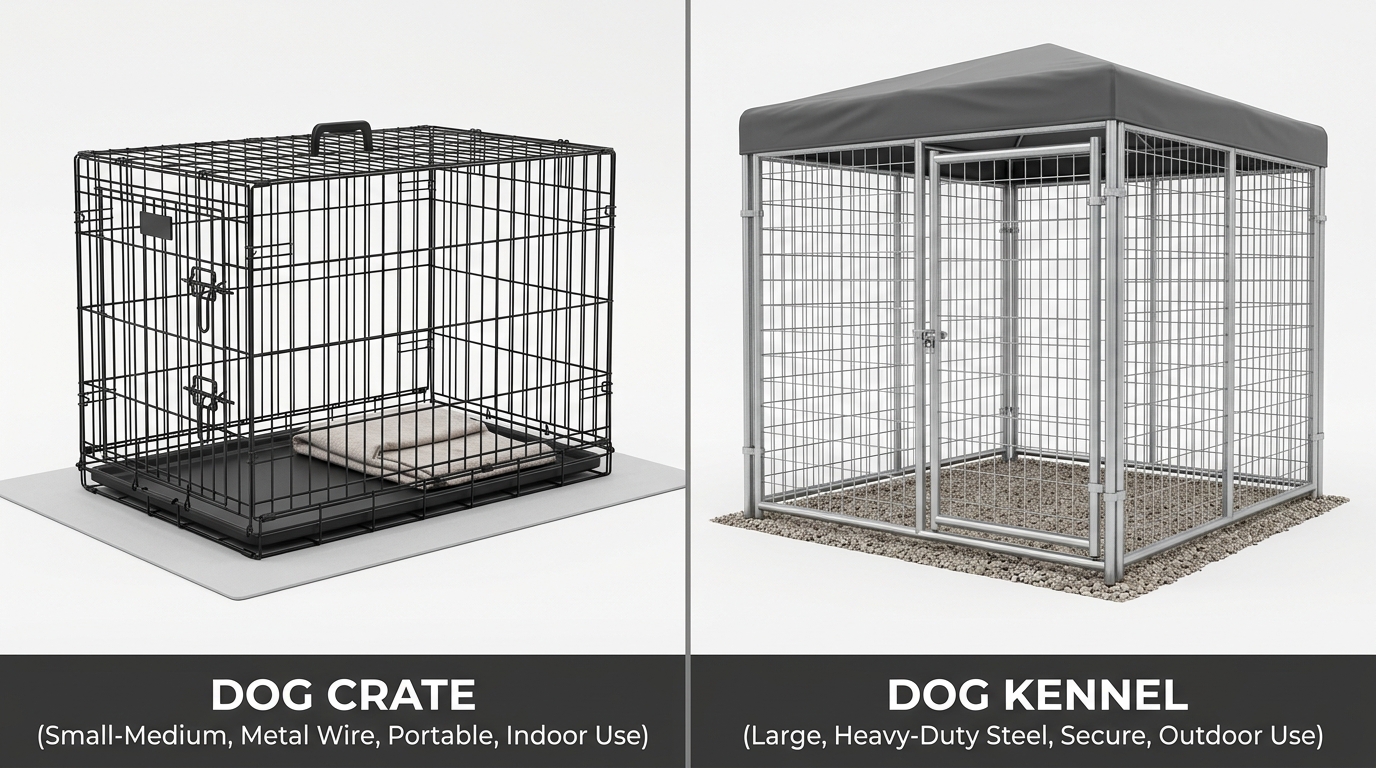
The trade-off is straightforward: repurposing saves money but may require structural reinforcements. For sturdy alternatives, browse indoor dog crates.
What Are the Easiest DIY Pet Home Projects for Beginners?
Felt cat caves and PVC pipe dog beds rank as the simplest DIY pet home projects, taking under 2 hours each.
Beginner-friendly builds:
- No-sew pet bed: Layer foam and fabric in a woven basket (45 minutes).
- Cardboard maze: Corrugated tunnels for small pets (1 hour).
- Floating shelf perch: Wall-mounted with brackets for cats (90 minutes).
[VERIFY: Insert time estimates from DIY project guide]. For step-by-step tutorials, visit our beginner’s project hub.
How Do I Ensure DIY Pet Homes Are Safe?
Inspect DIY pet homes for sharp edges, unstable weight distribution, and toxic materials. The Pet Safety Coalition reports 23% of pet injuries stem from poorly constructed habitats.
Safety checklist:
- Stability: Base should support 2x your pet’s weight.
- Ventilation: Drill 1-inch air holes every 6 inches in enclosed spaces.
- Non-toxic finishes: Use child-safe paints or leave materials bare.
For common hazards, consult our pet home care FAQ.
Bottom Line: Are DIY Pet Home Projects Worth It?
DIY pet home projects offer cost savings and customization but require careful planning.
- Save 65% versus retail pet furniture (Pet Industry Trends Report).
- Custom-fit for pet size and behavior quirks.
- Eco-friendly when using repurposed materials.
For durable pre-built options, explore outdoor dog kennels.
=== FAQ SCHEMA BLOCK ===
Q1: What’s the cheapest way to build a DIY pet home?
A1: Repurposed cardboard or PVC pipes cost under $20 and work for temporary structures.
Q2: How can I make a DIY pet home weatherproof?
A2: Seal wooden exteriors with pet-safe varnish and elevate floors 2 inches above ground.
Q3: Do cats prefer open or enclosed DIY pet homes?
A3: 76% of cats choose enclosed spaces, per a Feline Behavior Study.
Q4: Can I build a DIY pet home without power tools?
A4: Yes—use pre-cut wood panels and tension rods for no-tool assemblies.
Q5: How often should I replace a DIY pet home?
A5: Inspect every 6 months; replace if materials show wear or odor retention.