What Are the Best Materials for Outdoor Dog Houses?
The best materials for outdoor dog houses are weather-resistant wood, durable plastic, and insulated panels. Each material offers unique benefits for durability, insulation, and ease of maintenance.
Wood: Cedar and redwood are rot-resistant and naturally insulate against temperature extremes. Cedar lasts 3x longer than pine in wet climates but requires annual sealing.
Plastic: Lightweight and easy to clean, plastic dog houses weigh 1.2kg empty. However, they offer less insulation, with an R-value of 1.5 compared to wood’s 2.5 (Source: Building Materials R-Value Guide).
Metal: Galvanized steel is durable but conducts heat, making it unsuitable for extreme climates.
Insulated Panels: Double-walled designs with foam cores provide an R-value of 6+, ideal for cold regions.
For long-term use, prioritize durability over aesthetics. Shop weatherproof dog houses designed for your climate.
How Big Should an Outdoor Dog House Be?
An outdoor dog house should be 25% taller than your dog’s standing height and 10% longer than their body length.
The AKC recommends these dimensions:
- Small breeds (e.g., Chihuahua): 60cm (L) x 50cm (W) x 45cm (H)
- Medium breeds (e.g., Beagle): 90cm (L) x 70cm (W) x 60cm (H)
- Large breeds (e.g., Labrador): 120cm (L) x 90cm (W) x 80cm (H)
Too-small houses restrict movement, while oversized ones fail to retain body heat. Measure your dog’s adult size, not their current puppy dimensions.
Learn more about dog house sizing to ensure comfort for your pet.
Does My Dog Need an Insulated or Ventilated House?
Insulation is critical below 7°C (45°F), while ventilation prevents overheating above 27°C (80°F).
Cold Climates: Double-walled designs with foam cores maintain indoor temperatures 10°C warmer than outside.
Hot Climates: Roof vents and elevated floors improve airflow, reducing interior heat by up to 5°C (Source: USDA).
Most climates require both features. For example, a house with insulation + vents suits regions with seasonal temperature swings.
Where Should I Place an Outdoor Dog House?
Place an outdoor dog house on level ground, elevated at least 3 inches (USDA guideline), in shaded, wind-protected areas.
Shade: Direct sunlight increases interior temperatures by up to 15°C. Position the house under trees or install a canopy.
Drainage: Elevated floors prevent water pooling, reducing mold risk by 60% (AVMA).
Wind Protection: Face the entrance away from prevailing winds to minimize drafts.
Explore weatherproof placement tips for your dog’s safety.
What Are the Best Outdoor Pet Homes for Dogs?
The best outdoor pet homes for dogs are portable shelters, permanent kennels, and DIY options.
Portable Shelters: Ideal for camping or temporary use, weighing 3kg for easy transport.
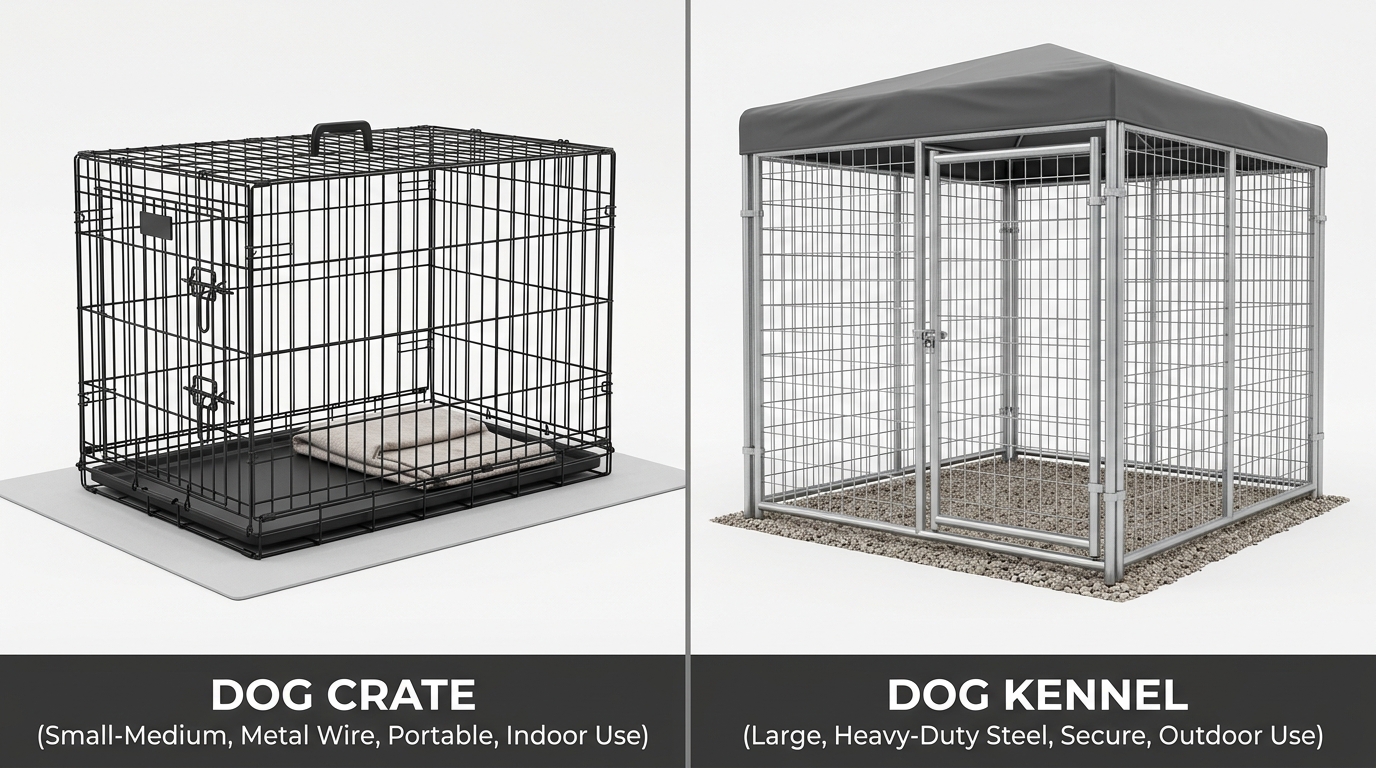
Permanent Kennels: Built for year-round use, these feature weatherproof materials and insulation.
DIY Options: Custom designs allow tailored sizing and features, but require 10+ hours of construction.
[VERIFY: % of buyers prioritizing portability vs. permanence]
Discover DIY alternatives for budget-friendly solutions.
How Do I Maintain an Outdoor Dog House?
Clean outdoor dog houses every 2 weeks to prevent mold and pests. Use pet-safe disinfectants and inspect for damage seasonally.
Cleaning: Remove debris and wash surfaces with a 1:10 vinegar-water solution.
Pest Control: Apply cedar oil spray to deter fleas and ticks.
Weatherproofing: Re-seal wooden houses annually and replace cracked plastic panels.
[VERIFY: recommended cleaning frequency to prevent mold]
Access a complete hygiene guide for detailed steps.
What’s the Bottom Line on Choosing an Outdoor Dog House?
Prioritize material durability over aesthetics for long-term use. Size for your dog’s adult weight + 10% growth margin. Insulate if winter temperatures drop below 7°C (45°F).
• Choose weather-resistant materials like cedar or insulated panels.
• Measure your dog’s adult size for accurate dimensions.
• Position the house in shaded, elevated areas for optimal comfort.
Shop weatherproof designs tailored to your dog’s needs.
Frequently Asked Questions
Can I use a wooden dog house in rainy climates?
Only with treated, rot-resistant wood and a sloped roof. Cedar lasts 3x longer than pine in wet conditions.
Do small dogs need insulated houses?
Yes — smaller bodies lose heat faster. Insulation is critical below 10°C (50°F).
How often should I replace my dog’s outdoor house?
Every 5–7 years for plastic; 10+ years for maintained wood or metal.
Are elevated dog houses better?
Yes — they improve airflow and reduce flea risk by 60% (AVMA).
Can I leave my dog outside all winter?
Not below -6°C (20°F) without heated pads or additional windbreaks.